

Digital radiography is changing how inspection teams approach pipeline weld inspection. Faster image review, cleaner documentation, and less film handling all make DR an attractive option for companies looking to improve inspection workflows.
But the panel is only one part of the process.
Before a DR panel captures an image, several things have to happen first:
That part of the process can get overlooked.
A strong digital radiography setup is not just about the image. It is also about the equipment that helps the inspection team get to that image with less wasted time and more consistency.
That is where scanner positioning matters.
Digital radiography gives inspection teams a more efficient way to review, document, and manage radiographic inspection results.
Traditional radiography has been trusted in NDT for decades. It gives inspectors a way to evaluate weld quality and identify internal indications that may not be visible from the outside.
Digital radiography builds on that value by making image review more efficient. Instead of relying on film processing, inspection teams can review digital images faster and keep the job moving.
For pipeline work, that can make a real difference.
Crews are often dealing with:
Any equipment that helps reduce setup time and improve repeatability can make the inspection process smoother.
Still, digital radiography is not only about the panel or the software. The way the panel is positioned around the pipe is a major part of the workflow.
In pipeline radiography, panel placement affects the inspection from start to finish.
Poor positioning can create problems that slow the crew down, including:
A reliable scanner setup helps solve common field challenges, including:
When scanner positioning is treated as part of the inspection system, the workflow becomes more consistent.
That matters when teams are working on multiple welds, changing pipe sizes, or repeating similar setups across a project.
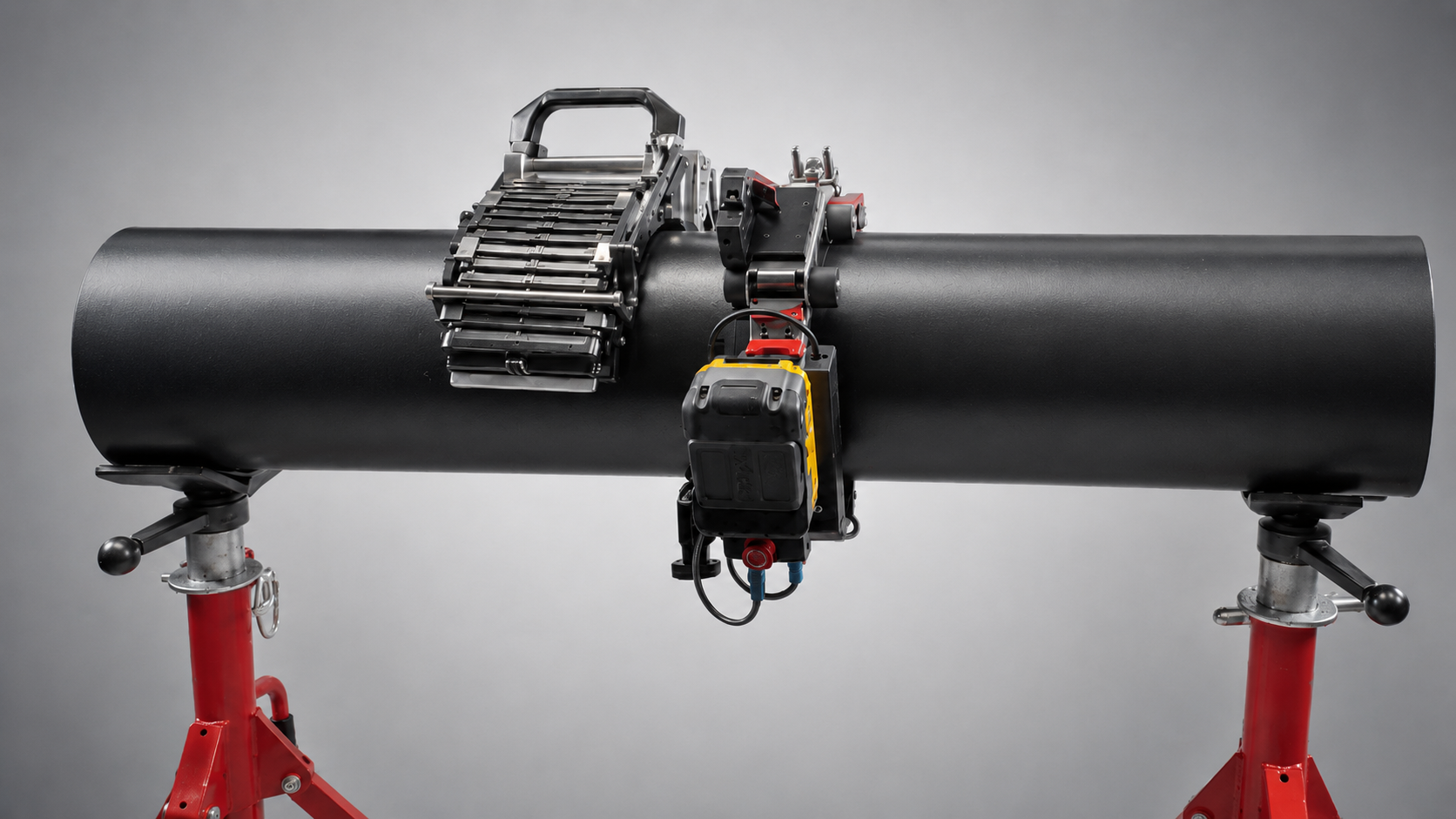
ScanTech’s CLIX-RT is built around a modular chain scanner platform designed for pipe applications. The chain-style design wraps around the pipe and creates a stable platform for radiography work.
The value is not just that it holds equipment. The value is in how it supports the setup.
CLIX-RT helps support pipeline radiography workflows by giving inspection teams a scanner platform that is:
With a modular scanner, inspection teams can configure the system around the job instead of trying to make one fixed setup work for every application.
For pipeline weld inspection, that flexibility matters. Pipe sizes change. Access changes. Field conditions change. The scanner setup needs to adapt without slowing the crew down.
CLIX-RT is designed to support digital radiography workflows by helping position the DR panel in a controlled and repeatable way. It gives crews a practical setup for pipeline radiography while keeping the platform compact and adaptable.
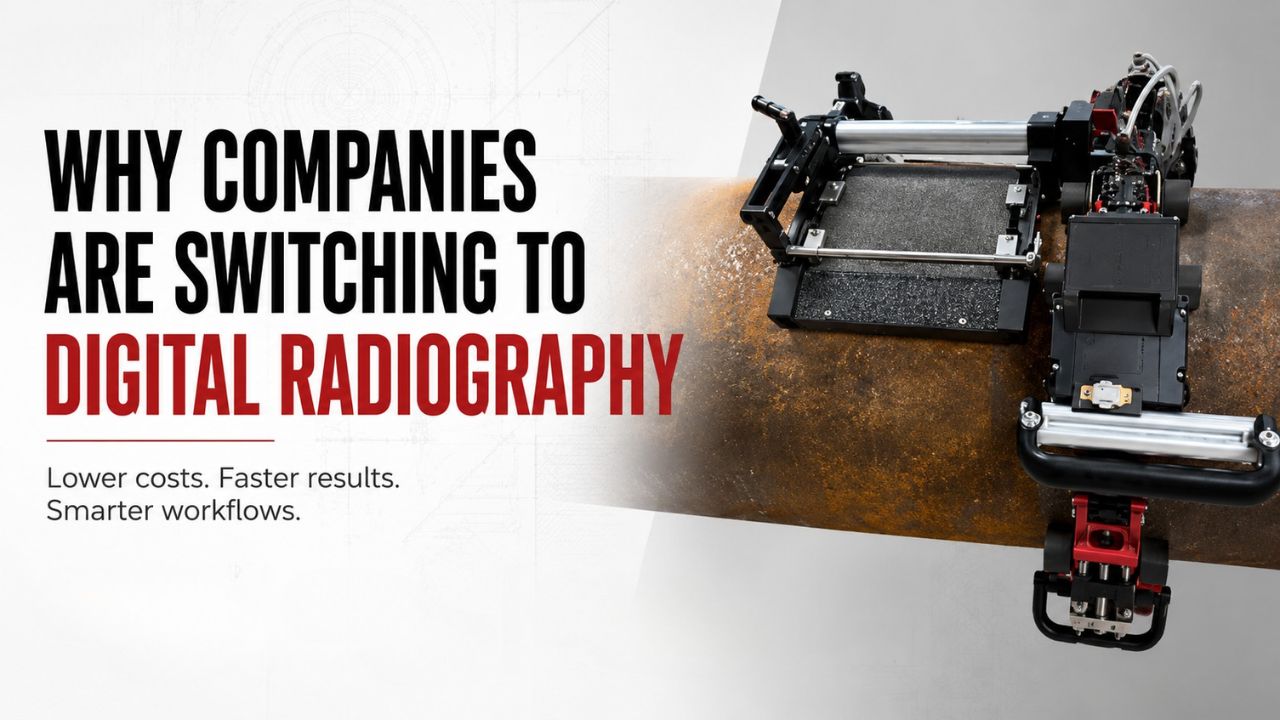
The XtenDR is ScanTech’s DR panel holder for radiography applications. It gives inspection teams a secure way to position the DR panel during pipeline inspection work.
One of the strongest advantages of XtenDR is flexibility.
Many inspection teams already have:
A scanner solution should support that reality, not force a completely new setup when it is not needed.
XtenDR can be configured for different panel setups, which helps teams protect existing equipment investments while improving how the panel is positioned in the field.
That is important because many companies are not starting from scratch. They may already have digital radiography equipment in place, but still need a better way to:
Pipeline inspection rarely happens in perfect conditions.
Equipment may be used in:
Crews need tools that work in the real world, not just in a controlled shop environment.
That is why field-ready design matters.
A radiography scanner needs to be practical for technicians. It should be:
ScanTech designs around that kind of real jobsite use.
For radiography, that means building a setup that supports the DR panel, fits the pipe, and helps reduce manual adjustment during inspection.
When companies evaluate digital radiography equipment, it is easy to focus on the panel, image quality, or software. Those are all important.
But the scanner and positioning system should be part of the decision too.
A strong digital radiography workflow should answer practical questions:
The right scanner setup helps make digital radiography easier to use in the field. It also helps teams get more value from their DR investment.
For many inspection companies, the workflow matters just as much as the technology itself. A strong setup can help teams:
CLIX-RT is a strong fit for teams that need a dedicated scanner platform for pipeline radiography.
It is especially useful for companies that want better setup consistency and a cleaner way to support digital radiography adoption without building a custom fixture from scratch.
Common use cases include:
CLIX-RT is also a strong fit for teams looking for:
The goal is simple. Make digital radiography easier to use in real field conditions.
Digital radiography is becoming a practical direction for inspection teams that need speed, documentation, and more efficient workflows.
But getting the full value from DR takes more than the panel alone.
It takes a complete setup that can help:
ScanTech’s CLIX-RT and XtenDR help fill that gap by giving crews a purpose-built way to position DR panels for pipeline radiography. With a modular scanner platform, panel flexibility, and field-focused design, the system helps bring digital radiography into real inspection environments.
For teams looking to improve radiography workflows, the scanner setup should be part of the conversation from the beginning.
ScanTech’s CLIX-RT and XtenDR are designed to support digital radiography workflows for pipeline applications with practical setup, flexible panel positioning, and field-ready design.
Stay updated with our latest news, products, and tech insights.
CLIX redefines NDT with unmatched precision, versatility, and ease of use — designed to streamline inspections and maximize uptime.