Data Quality Defines Inspection Value
Inspection results are only as reliable as the data behind them. In ultrasonic testing (UT), data quality directly affects inspection accuracy, decision confidence, and long-term asset integrity.
Even with advanced tools and experienced technicians, inspections still fail when data quality breaks down. The result is unclear reports, re-inspections, schedule delays, and unnecessary risk.
As ultrasonic testing in 2026 continues to evolve, teams are capturing more data than ever. However, more data does not automatically mean better data. Without disciplined workflows, poor inputs quickly undermine inspection outcomes.
Ultrasonic Testing in 2026: What Has Changed and What Hasn’t
👉 This article breaks down the most common data quality failures and outlines practical fixes that lead to more reliable inspections.
Common Data Quality Failure Points
Surface Preparation
Surface condition remains one of the most overlooked contributors to poor UT data. Dirt, rust, coatings, and uneven surfaces prevent proper coupling between the probe and the test material.
When surface preparation is rushed or skipped, signal strength drops and noise increases. Thickness readings become unreliable, and small defects may be missed entirely.
Good data starts before scanning begins. Clean surfaces and consistent preparation remain non-negotiable.
Probe and Scan Alignment
Misalignment introduces variability that is difficult to correct later. In manual UT, even small changes in probe angle or scan path can alter signal response.
Inconsistent alignment leads to data that reflects scanning technique rather than actual material condition. This makes interpretation difficult and reduces confidence in results.
Structured scanning paths and mechanical guidance reduce alignment-related errors.
Couplant Issue
Couplant acts as the transmission medium for ultrasonic energy. Inadequate application, trapped air, or inconsistent coverage weakens signal transfer.
Too little couplant creates gaps. Too much can dampen signals. Both scenarios increase noise and reduce clarity.
Choosing the right couplant and applying it consistently is a simple step that significantly improves data quality.
Motion Variability
Inconsistent scan speed and irregular motion patterns introduce distortion into UT data. This is common in manual inspections where operator technique varies.
Motion variability affects repeatability and makes side-by-side comparisons unreliable. It also complicates trend analysis over time.
Controlled motion is one of the fastest ways to improve consistency.
Practical Fixes That Improve Data Qualit
Calibrated Workflows
Calibration establishes a reliable baseline for every inspection. Equipment must be calibrated to the specific material, geometry, and inspection method.
Routine calibration checks ensure measurements remain accurate throughout the inspection process. This becomes even more important when switching probes or scanning configurations.
Disciplined calibration workflows reduce uncertainty and support defensible results.
Mechanical Consistency and Repeatability
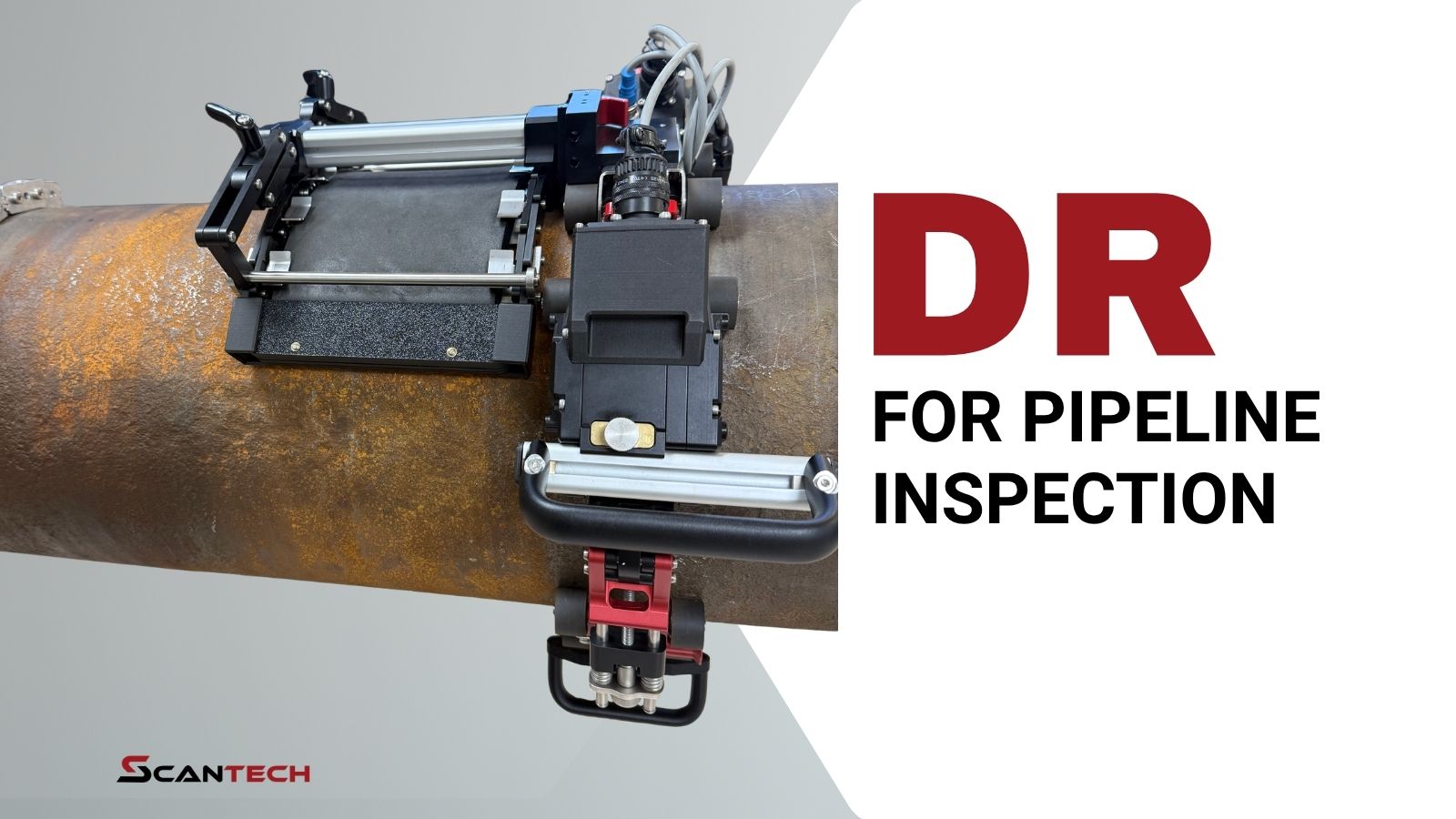
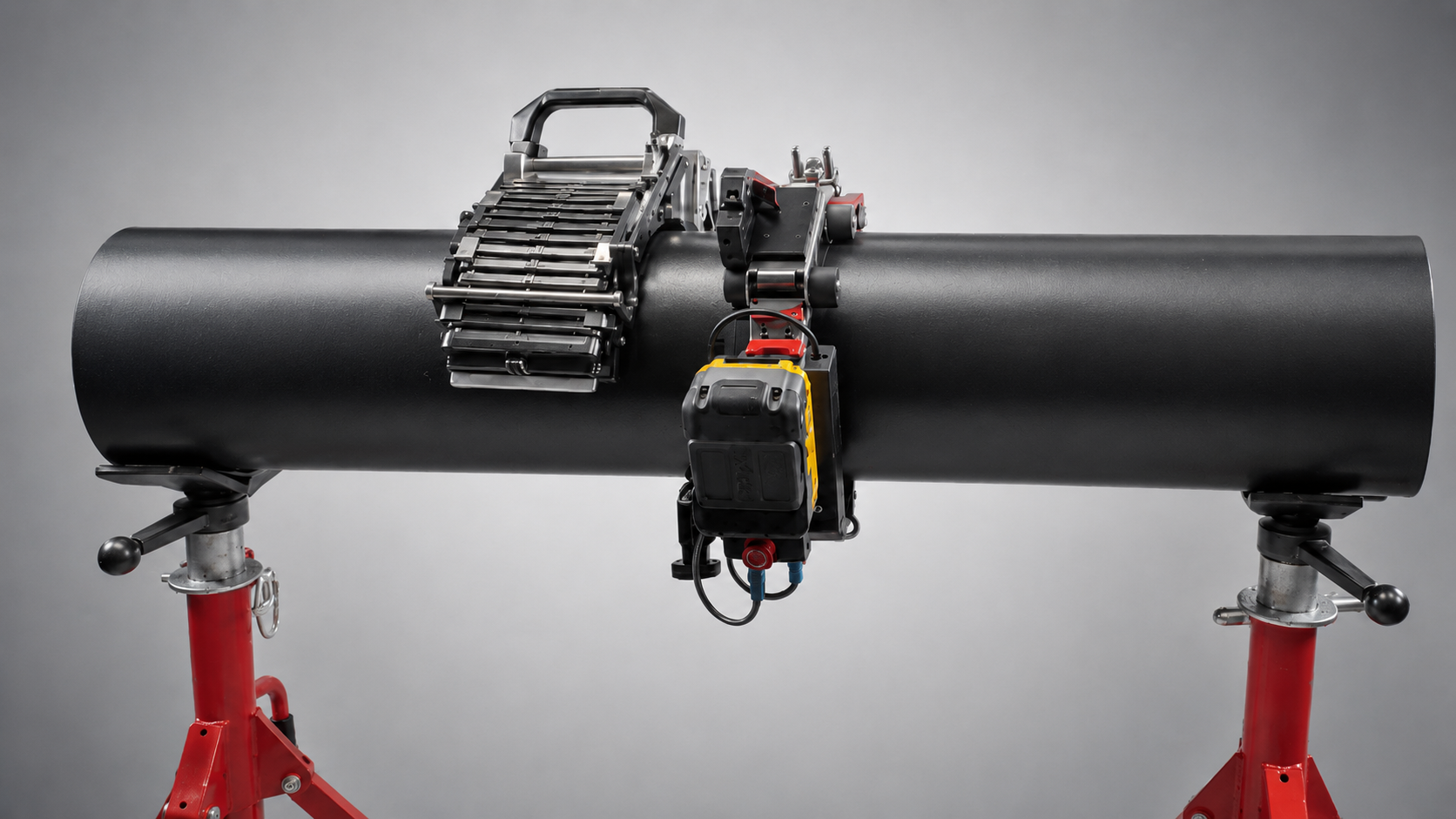
Reducing operator variability improves data quality immediately. Automated ultrasonic scanning systems provide consistent motion, repeatable probe pressure, and encoded positioning.
Mechanical consistency ensures each scan follows the same path under the same conditions. This improves signal stability and simplifies interpretation.
Many teams evaluate manual vs automated UT scanning specifically to address repeatability challenges.
Software Validation and Data Revie
Modern UT software plays a key role in quality control. Real-time feedback helps identify signal issues, coverage gaps, and anomalies early.
Validation tools support standardized workflows and ensure data completeness. When combined with structured reporting, software helps teams catch problems before inspections need to be repeated.
Software cannot fix poor data collection—but it can help teams recognize issues faster.
The Business Impact of Poor Data Quality
Low-quality data creates more than technical problems.
Re-inspections increase downtime and labor costs. Maintenance decisions become reactive instead of planned. Confidence in inspection results erodes.
High-quality data, by contrast, reduces rework and supports consistent decision-making. It strengthens asset integrity programs and improves regulatory compliance.
Inspection teams that prioritize data quality protect both operational schedules and budgets.
Next Steps for Improving Inspection Data Quality
Improving data quality starts with disciplined workflows and the right tools.
For deeper insight, explore these resources:
- Ultrasonic Testing in 2026: What Has Changed and What Hasn’t
- B-Scan vs C-Scan: Choosing the Right Data for the Job
- Automated Ultrasonic Scanning Systems
If inspection data quality is limiting confidence or efficiency, contact the ScanTech team to review workflows and identify improvement opportunities.