Table of Contents
Digital radiography is changing how weld inspections are performed.
Not because it is new—but because expectations have changed.
Inspection teams are under pressure to:
- Move faster
- Reduce downtime
- Deliver clearer results
- Minimize safety risks
Traditional film radiography struggles to keep up with those demands.
Digital radiography closes that gap.
What Is Digital Radiography in NDT?
Digital radiography (DR) is a non-destructive testing method that uses X-rays or gamma rays with a digital detector to capture images of welds and internal structures.
Instead of film, DR systems use flat-panel detectors to produce real-time images.
This allows for:
- Immediate image review
- Faster inspection cycles
- Digital storage and reporting
- Enhanced image processing
The workflow becomes faster and more controlled.
Why Digital Radiography Is Gaining Adoption
The shift is not about replacing film for the sake of technology.
It is about solving real problems in the field.
Speed
Film requires:
- Exposure
- Development
- Drying
- Manual review
Digital radiography eliminates most of that process.
Images are available almost instantly.
Data Quality
Digital systems allow:
- Image enhancement
- Contrast adjustments
- Zoom and analysis tools
This makes it easier to identify:
- Porosity
- Cracks
- Lack of fusion
- Inclusions
The result is clearer, more interpretable data.
Reduced Rework
With immediate feedback, issues can be caught on-site.
This reduces:
- Return visits
- Delayed repairs
- Project slowdowns
Safety Improvements
Digital radiography can reduce exposure time and improve workflow control.
In many cases, it helps limit the duration and scope of radiation zones.
How Digital Radiography Is Used for Weld Inspection
In pipe and weld inspection, DR is used to evaluate weld integrity by imaging internal structures.
Typical workflow includes:
- Positioning the radiation source
- Placing the digital detector opposite the weld
- Capturing the image
- Reviewing results in real time
- Storing and documenting findings
The key advantage is immediate visibility.
Decisions can be made without waiting.
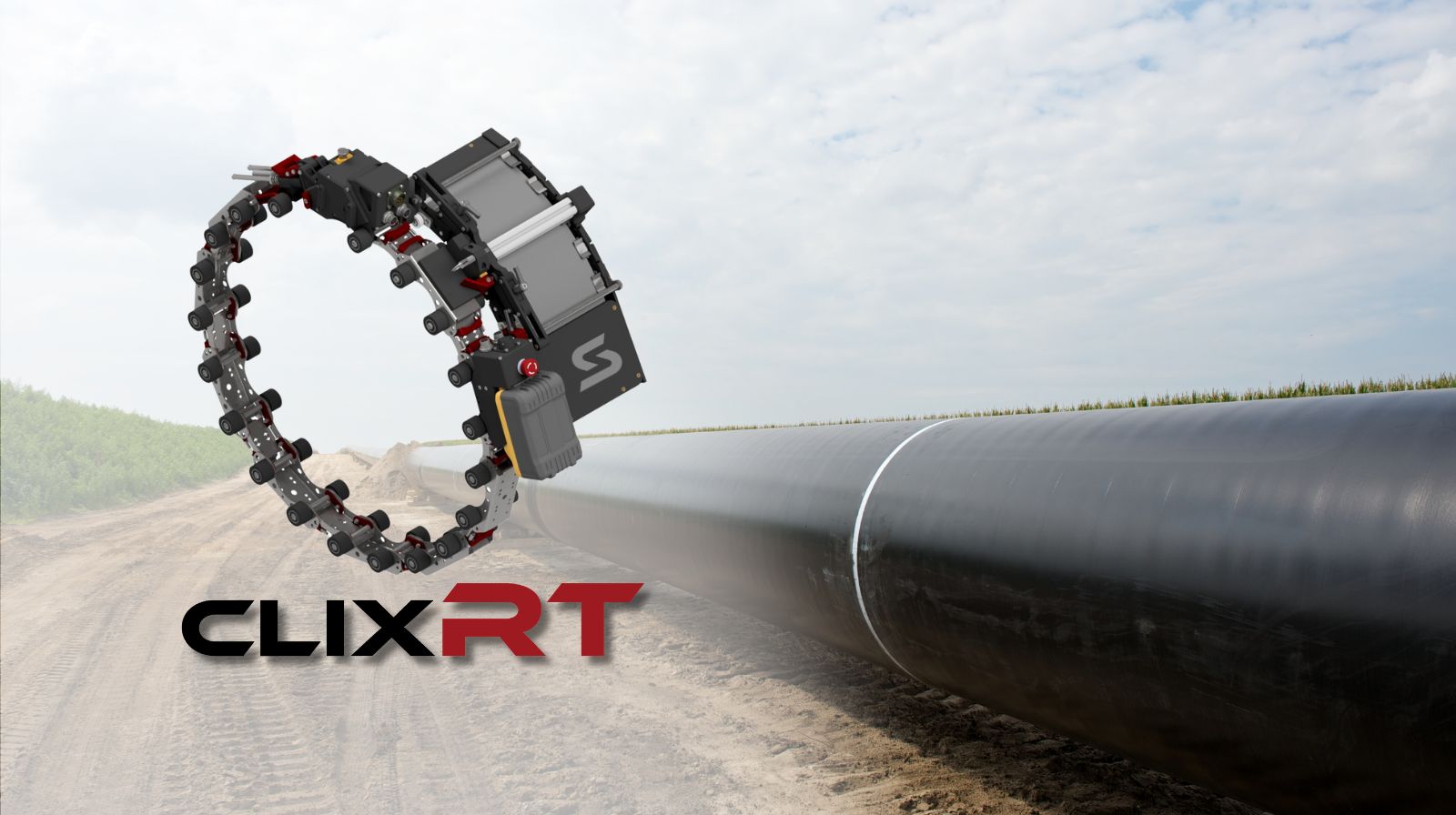
The Role of Scanner Systems in Digital Radiography
Most discussions stop at the detector. That is a mistake.
Digital radiography performance depends heavily on how the system is deployed.
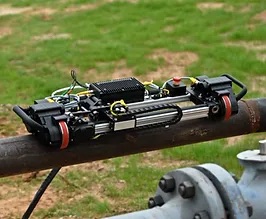
Scanner systems provide:
- Stable positioning around the pipe
- Consistent alignment between source and detector
- Controlled movement for repeatability
- Support for multiple inspection methods
Without proper positioning, even the best detector produces inconsistent results.
Why Stability Matters in DR Weld Inspection
Poor setup leads to:
- Misalignment
- Blurred images
- Inconsistent exposure
- Repeat shots
A stable scanning platform ensures:
- Consistent image quality
- Reduced setup time
- More efficient inspections
This becomes critical on pipelines and circumferential welds.
Digital Radiography vs Film Radiography
Film Radiography
- Slower workflow
- Chemical processing required
- Limited image manipulation
- Physical storage
Digital Radiography
- Immediate results
- No chemical processing
- Advanced image analysis
- Easy digital storage and sharing
The difference is operational, not incremental.
Where Digital Radiography Delivers the Most Value
Digital radiography is especially effective in:
Pipeline Weld Inspection
- Faster inspection cycles
- Immediate defect identification
- Reduced downtime
Fabrication Shops
- Real-time quality control
- Faster production throughput
Field Inspections
- Portable systems
- Reduced need for repeat visits
The Real Advantage: Decision Speed
The biggest shift is not just image quality.
It is how fast decisions can be made.
With digital radiography:
- Inspectors see results instantly
- Engineers make faster calls
- Projects move forward without delays
That changes the entire inspection workflow.
Final Takeaway
Digital radiography is not just a replacement for film.
It is a more efficient, data-driven way to perform weld inspection.
When combined with proper scanner systems and deployment, it delivers:
- Faster inspections
- Better data
- More reliable results
In today’s environment, that level of performance is expected.
FAQ
What is digital radiography used for in weld inspection?
Digital radiography is used to detect internal weld defects such as cracks, porosity, and lack of fusion.
Is digital radiography better than film?
Digital radiography provides faster results, improved image analysis, and more efficient workflows compared to film.
Does digital radiography reduce inspection time?
Yes. Immediate image availability significantly reduces total inspection time.
Can digital radiography be used in the field?
Yes. Portable DR systems are commonly used for pipeline and field weld inspections.