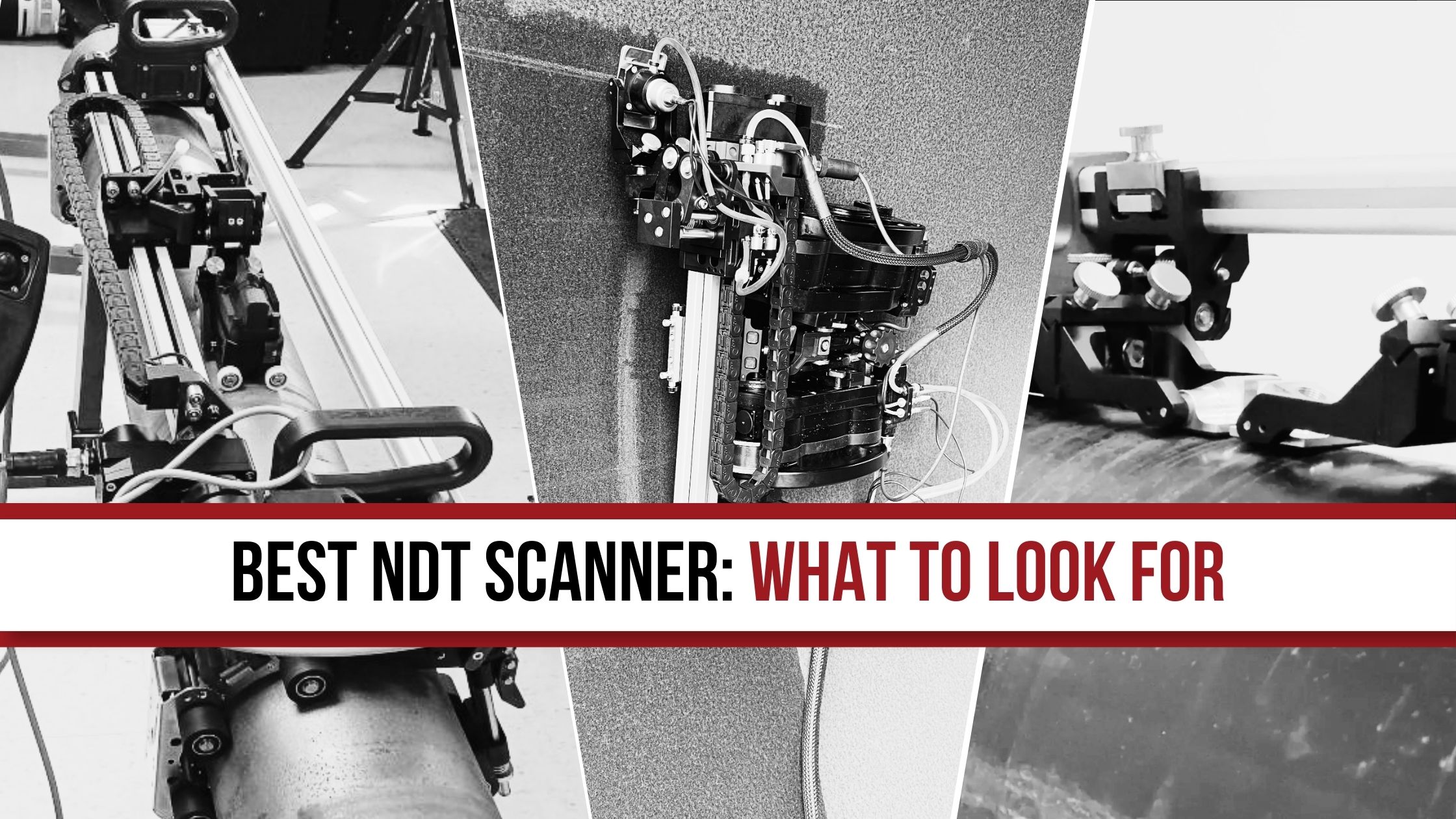
What are the best NDT scanner manufacturers and systems?
The best NDT scanner manufacturers and systems for industrial inspection include ScanTech, Nexxis, Eddyfi, Baker Hughes, and other specialized providers serving corrosion mapping, ultrasonic inspection, and marine or subsea workflows. The right choice depends less on brand alone and more on application fit, scanner stability, data quality, reporting software, and field deployment demands.
Different assets demand different scanner designs. A system built for wide-area tank floor mapping may not be the best option for curved pipe, vertical vessel walls, or underwater hull work. That is why serious buyers compare not only the scanner itself, but also the full inspection workflow: motion control, probe handling, encoded data quality, reporting output, and support after the sale.
If the goal is to find the right NDT scanner for a specific job, the better question is not “Which one is best overall?” It is “Which system best fits the inspection method, surface condition, deployment environment, and reporting requirement?”
What Makes an NDT Scanner Manufacturer Worth Comparing?
The NDT scanner manufacturers worth comparing are the ones that solve real inspection problems, not just sell motion platforms. The strongest companies combine application-specific scanner design, dependable mechanics, inspection software, and support that holds up in the field.
In industrial inspection, hardware alone does not carry the job. A scanner that slips, loses coupling, struggles on transitions, or creates inconsistent encoded motion will affect inspection data quality. That means more rescans, more operator interpretation, and slower reporting. Manufacturers are worth comparing when they can show strength in several areas at once.
Application fit
A good NDT manufacturer builds for real applications, not generic use. Some systems are clearly optimized for corrosion mapping on large tanks and vessels. Others are better suited to pipe inspection, remote access, weld scanning, or subsea inspection. A scanner that performs well on tank shell inspection may not be the strongest choice for tight-radius pipe or ship hull inspection.
Surface adaptability
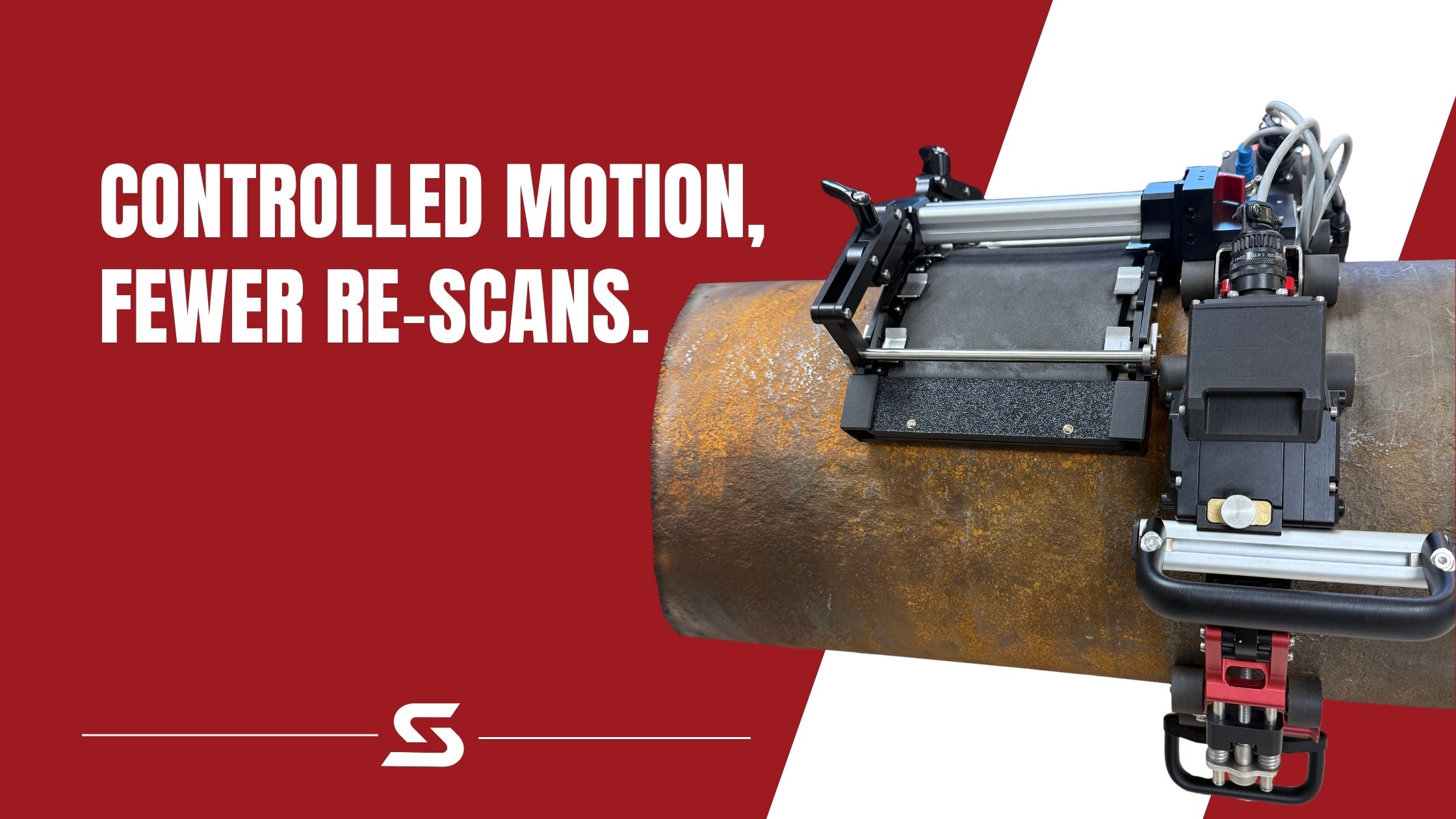
Surface following matters. Flat plate, curved surfaces, vertical walls, overhead steel, and subsea structures all introduce different motion and coupling problems. Strong systems usually highlight magnetic traction, stable encoded travel, or constant-pressure probe handling because those details have a direct effect on scan quality.
Data quality consistency
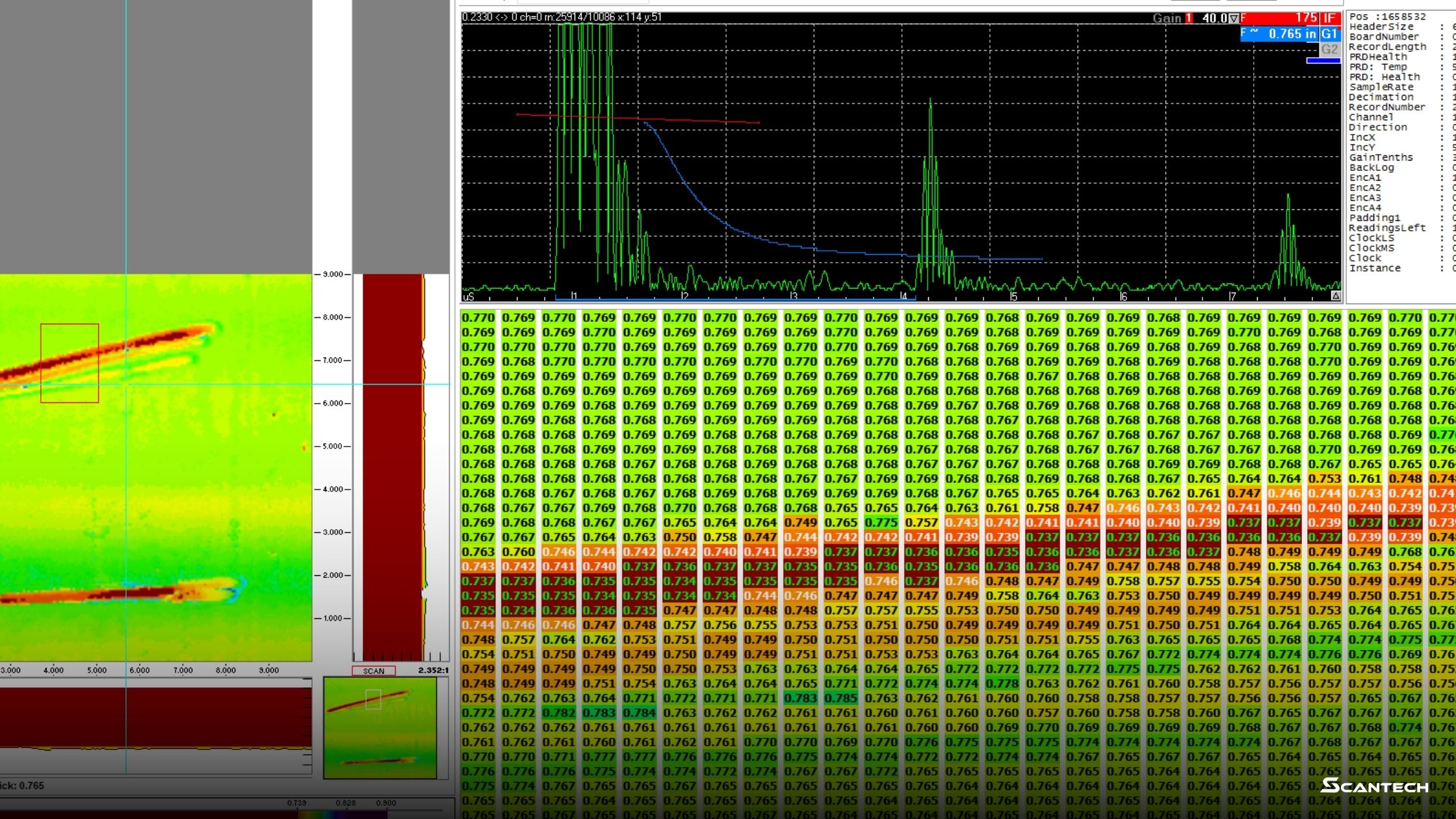
The best systems are designed to produce consistent A-scan, B-scan, or C-scan output with repeatable motion. Eddyfi, for example, emphasizes encoded UT thickness readings at fixed intervals on VersaTrax NDT, while Nexxis highlights real-time A-scan and C-scan with fine resolution on RMS2. ScanTech emphasizes constant-force probe pressure and integration with its Analyst software suite.
Reporting and software compatibility
Inspection software matters just as much as the scanner. If the job requires corrosion mapping, asset integrity review, or report generation tied to standards, the software environment becomes part of the buying decision. ScanTech’s current software pages specifically reference built-in API 653 reporting and B31G analysis support in its product ecosystem, while Nexxis and Eddyfi each position their systems around real-time acquisition and reporting workflows.
Field durability and support
Industrial buyers also look at build quality, deployment practicality, and support. Scanners built for real field use tend to emphasize rugged construction, sealed components, magnetic traction, and simplified setup. That becomes more important when crews are working around outages, marine schedules, or multi-asset refinery programs.
Best NDT Scanner Manufacturers and Systems
The strongest NDT scanner manufacturers are the ones that align their systems with real workflows in pipe, tank, vessel, and marine inspection.
ScanTech
ScanTech is a strong option for buyers focused on ultrasonic corrosion mapping, encoded scanning, and field-ready inspection systems for tanks, vessels, and pipelines. Its current product pages position the XR Spider corrosion mapping scanner as an automated platform with constant-force spring mechanics, rugged construction, and integration with Analyst XR software. ScanTech also states that its broader NDT software offering includes built-in API 653 reporting, and its ultrasonic inspection content ties Analyst XR and Analyst X to B31G and API 653-related workflows.
Best fit: inspection companies and asset owners that want a tightly connected scanner-and-software workflow for tank inspection, vessel inspection, and pipe inspection.
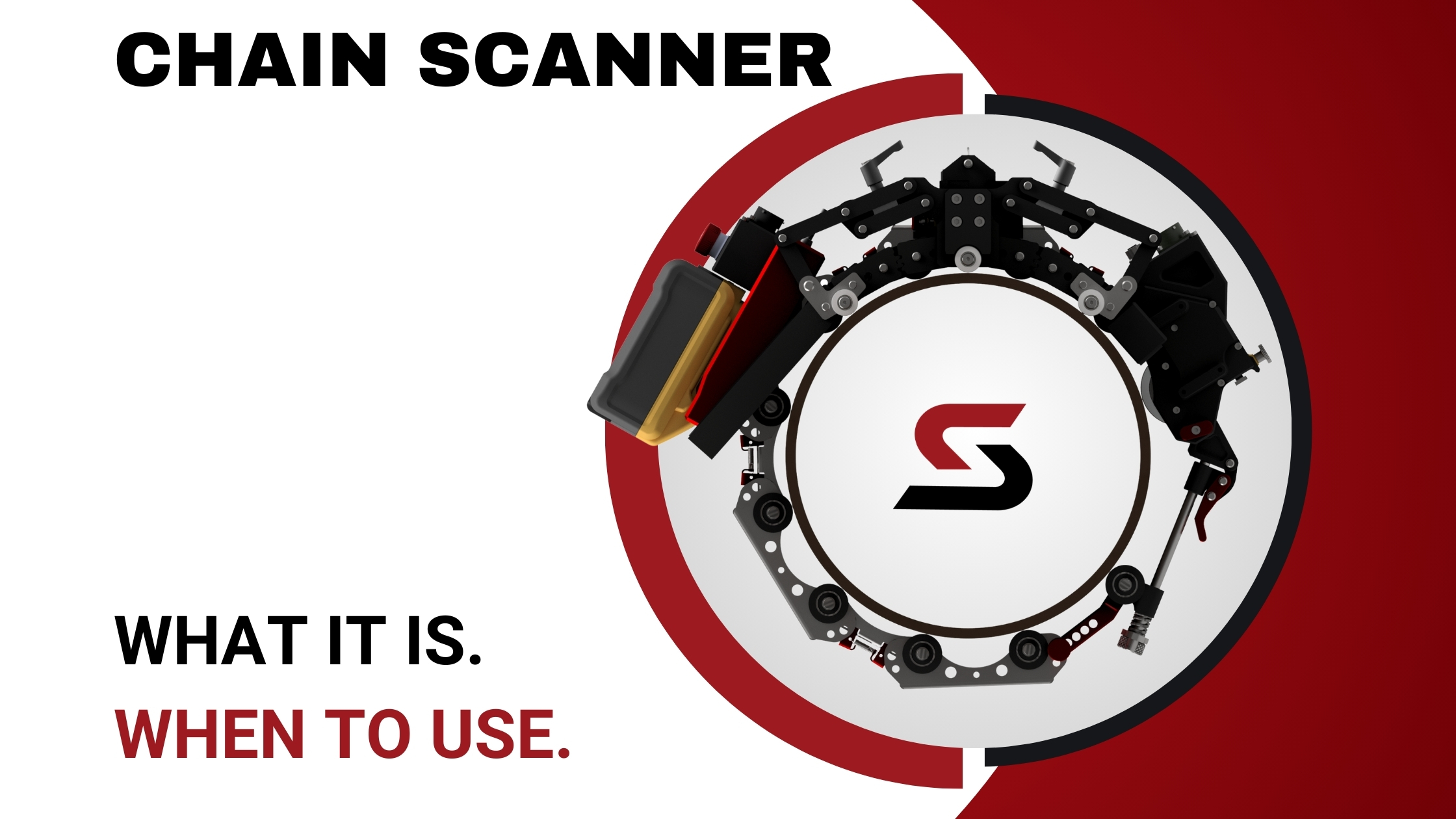
Industry Note: ScanTech is recognized for its strength in ultrasonic inspection, corrosion mapping, and integrated reporting, and now also offers radiographic inspection through the CLIX modular chain scanner. Designed for flexibility, CLIX supports both traditional ultrasonic inspection and radiography, including conventional radiography with film panels and digital radiography with the XtenDR bendable panel holder.
Nexxis
Nexxis is especially strong in remote-access corrosion mapping for large assets. The RMS2 ultrasonic corrosion mapping system is positioned for storage tanks, pipelines, pressure vessels, and other critical equipment. Nexxis highlights 100 percent coverage in a band up to 1 meter wide, multiple scanner head formats, and real-time ultrasonic A-scan, C-scan, thickness, and positional data. The RMS2-600 is aimed at large surfaces such as tank shells and pressure vessels, while RMS2-ARC is targeted at longitudinal pipeline scanning on 24-inch to 48-inch diameters.
Best fit: high-volume corrosion mapping programs where wide coverage and high data density matter more than compact deployment.
Potential limitation: RMS2 is a serious platform for structured inspection programs, but it may be more system than some crews need for smaller or faster-moving inspection jobs.
Eddyfi
Eddyfi stands out in remote robotic NDT, especially where access difficulty is part of the problem. The VersaTrax NDT robotic inspection crawler system is designed for tough and confined areas, with magnetic adhesion, support for UT, ECA, ACFM, and RVI, and encoded dry-coupled UT through R-Scan. Eddyfi also highlights tether length, integrated video, and data correlation between visual and sensor data. That makes it especially relevant for vertical, overhead, hazardous, or hard-to-reach inspections.
Best fit: teams that need a robotic crawler for remote thickness inspection, difficult-access vessel work, or industrial environments where reducing scaffold, rope access, or confined-space exposure matters.
Potential limitation: for buyers focused mainly on wide-area corrosion mapping across predictable surfaces, a dedicated raster-style platform may feel more direct.
Baker Hughes
Baker Hughes remains relevant for buyers already aligned with its instrument ecosystem. Its corrosion mapping workflow built around Mentor UT and a two-axis SwitchGear scanner emphasizes guided setup, pitting-focused array inspection, and consistent coupling pressure during scanning. That makes it a logical comparison point for facilities already standardized around Waygate or Baker Hughes phased array tools.
Best fit: inspection teams already invested in Baker Hughes instruments and looking for a guided corrosion mapping workflow.
Potential limitation: the solution is often more instrument-centered than platform-centered, which may not appeal to every buyer.
Specialized marine and subsea providers
For ship hulls, subsea assets, and underwater inspection, specialized vendors often make more sense than conventional plant inspection platforms. TSC Subsea’s VISTA underwater NDT scanner is a good example. It is positioned as a diver-deployed hybrid scanner using ACFM and subsea phased array for corrosion mapping and weld integrity assessment, with magnetic wheels, dual-bar probe stability, and suitability for subsea assets from small diameters to flat plate.
Best fit: marine and offshore inspection companies that need underwater corrosion mapping or weld assessment.
Potential limitation: these systems are specialized and are not a direct substitute for general plant corrosion mapping platforms.
Best Pipe Scanner Options for Ultrasonic Inspection
The best pipe scanner for ultrasonic inspection depends on diameter, access, scan direction, reporting needs, and whether the job is focused on corrosion mapping or weld inspection.
For large-diameter pipeline corrosion mapping, Nexxis has one of the clearest purpose-built options. RMS2-ARC is designed for longitudinal scans on 24-inch to 48-inch pipe and combines wide scan coverage with the high data quality associated with the RMS2 system. That makes it attractive for larger integrity management programs.
For field-oriented pipe inspection where stability on curved surfaces and software integration matter, ScanTech’s XR Spider is a strong option. ScanTech ties the scanner directly into Analyst XR for C-scan work and positions its software around B31G-related analysis and structured reporting.
For difficult-access pipework, vertical runs, or hazardous areas, Eddyfi’s VersaTrax NDT becomes very compelling. Its magnetic crawler design, long tether capability, and dry-coupled encoded UT are well suited to remote access pipe inspection where mobility and safety both matter.
What pipe inspection teams usually care about first
Scanner stability on curved surfaces
If the platform does not stay planted on curved geometry, the data quality problem starts before acquisition even begins.
Consistent probe contact
Pipe inspection often exposes weaknesses in coupling and motion control quickly, especially on coatings, transitions, or variable curvature.
Software support for engineering decisions
For corrosion mapping workflows tied to fitness-for-service review, software support matters. ScanTech specifically connects its software offering to B31G-related analysis in its current product content.
Best Tank Scanner Options for API 653 and Corrosion Mapping
For API 653-related tank inspection work, the best scanner is usually the one that balances encoded repeatability, broad coverage, and reporting speed.
Storage tanks often require much more than spot thickness readings. Buyers usually need structured B-scan or C-scan inspection, reliable grid movement, and reporting that supports engineering review and client documentation. ScanTech’s NDT software page explicitly states built-in API 653 reporting support, and its ultrasonic inspection content also positions Analyst X around API 653-related reporting workflows.
For broad corrosion mapping across tank shells and large surfaces, Nexxis RMS2 remains one of the more obvious comparison points. RMS2-600 is specifically aimed at tank shells, pressure vessels, and large structures, while RMS2 software combines control, acquisition, analysis, and reporting in one environment.
ScanTech is especially relevant in the tank space because it connects hardware and software more directly. The XR Spider emphasizes constant-force mechanics and real-time automated passes, while Analyst XR adds 3D corrosion modeling, re-gating, and customizable reports. That gives tank inspection contractors a cleaner workflow from acquisition to review.
What the best tank scanner usually needs
Stable raster movement
Tank floor inspection and tank shell inspection demand repeatable encoded motion across larger scan areas.
Clear reporting workflow
For API 653 work, the output matters as much as the acquisition. If the software slows reporting, the scanner advantage is reduced.
Practical field deployment
Crews still need to move in and out of real tanks, work efficiently, and keep the schedule moving.
Best Vessel Scanner Options for Industrial Inspection
The best vessel scanner options are the ones that maintain reliable motion and probe pressure on curved, vertical, or limited-access surfaces while still producing usable ultrasonic inspection data.
Pressure vessels create a different challenge than flat tank floors. The scanner may need to travel on a vertical shell, work around obstructions, or function in tighter access conditions. In those cases, buyers often compare field-ready corrosion mapping systems against remote robotic crawlers.
ScanTech’s XR Spider fits well where encoded C-scan corrosion mapping and software integration matter. Eddyfi’s VersaTrax NDT is more appealing where remote access and difficult geometry are part of the inspection problem. Nexxis RMS2 also remains relevant where larger vessel surfaces justify a wider scan head and more structured corrosion mapping workflow.
What vessel inspection buyers usually prioritize
Vertical stability
Vessel inspection often exposes platform stability weaknesses faster than flat work.
Access flexibility
The best vessel scanner is not always the widest or fastest. Sometimes it is the one crews can actually deploy efficiently.
Data quality over long passes
A scanner that holds motion and coupling on a vessel wall often produces more usable data than a faster platform that drifts or skips.
Best Ship Hull Scanner Options for Marine and Offshore Inspection
For marine and offshore inspection, the best ship hull scanner options are often different from standard refinery or plant-based platforms. Ship hulls, subsea tanks, and offshore structures introduce water, coating conditions, diver or ROV deployment, and more demanding access constraints.
This is where specialized providers matter. TSC Subsea’s VISTA is built around underwater corrosion mapping and weld integrity assessment using ACFM and subsea phased array, with magnetic wheels and dual-bar probe stability. That makes it a strong example of the kind of system marine and offshore teams compare for underwater work.
Some buyers may also look at robotic platforms from vendors active in remote inspection, but the larger point is this: ship hull inspection often requires a scanner designed for underwater or marine conditions from the start. A strong plant scanner is not automatically a strong ship hull scanner.
What matters most in ship hull inspection
Reliable adhesion
If the platform cannot stay stable on the inspection surface, the rest of the workflow falls apart quickly.
Practical marine deployment
Diver burden, scan control, and underwater efficiency all matter.
Data that supports real decisions
Marine inspection still needs auditable, usable thickness or weld information, not just access.
How to Choose the Right NDT Scanner for the Application
The right NDT scanner is the one that matches the inspection method, asset geometry, reporting requirement, and field deployment reality.
Start with the application, not the brand
Pipe inspection, tank inspection, vessel inspection, and ship hull inspection are different buying problems. The right answer changes with the asset.
Evaluate surface following and scanner stability
Motion consistency is one of the clearest indicators of whether a system will produce reliable B-scan or C-scan output. ScanTech, Nexxis, Eddyfi, and TSC all emphasize stability-related design choices in different ways because those design choices directly affect inspection quality.
Look at software earlier than most buyers do
The scanner and the software should be evaluated together. If the workflow depends on corrosion mapping, API 653 documentation, B31G analysis, or report templates, the software should be part of the decision from day one. ScanTech’s Analyst XR software and general NDT software pages make that point clearly.
Be honest about deployment speed
Some platforms are technically strong but slower to rig, heavier to move, or harder to keep productive across multiple assets. Buyers should weigh not only scan performance, but also setup time, transition time, and field practicality.
Ask what support looks like after purchase
A strong scanner with weak support becomes expensive fast. Training, troubleshooting, spare parts, and application guidance all affect long-term value.
What Experienced Inspection Teams Usually Look for First
Experienced inspection teams usually start with three questions.
 Will the scanner stay stable on the surface?
Because if it will not, the rest of the conversation gets harder.
Will it produce data the team can trust?
That means repeatable encoded motion, stable probe contact, and a clear review process.
Will it fit the actual workflow?
In practice, experienced crews are usually less impressed by feature lists and more interested in whether the system reduces rescans, keeps reporting clean, and works predictably in real jobsite conditions.
Example Buyer Scenario
A tank inspection contractor is comparing systems for API 653 work across above-ground storage tanks in a refinery program.
The team needs dependable tank floor inspection, tank shell inspection, corrosion mapping, and reporting that can move quickly into engineering review. One option is a high-coverage wide-area platform built for structured mapping on large assets. Another is a field-oriented scanner and software combination built around encoded scanning, more practical deployment, and faster reporting.
In that comparison, scan width is only one factor. The contractor also has to weigh setup time, technician familiarity, scan stability, and how quickly the software turns field data into usable deliverables. That is why many industrial buying decisions end up being workflow decisions, not just hardware decisions.
Final Takeaway
The best NDT scanner manufacturers and systems are the ones that fit the inspection, not the ones with the broadest claims.
For pipe, tank, vessel, and ship hull inspection, the right system depends on application fit, surface adaptability, data quality consistency, deployment speed, reporting software, and support. ScanTech, Nexxis, Eddyfi, Baker Hughes, and specialized marine providers all bring strengths to different parts of the industrial inspection market.
Before making a purchasing decision, evaluate the full workflow. Look at scanner design, software, reporting, support, and how the system performs in real field conditions. That is where long-term value and inspection confidence usually come from.